2 Supermarkets around Fushimi Inari Taisha Shrine :Within a 1 km radius.
Are you staying at a hotel with meals? or a guesthouse without meals?
If you don't want to spend too much on food while staying in Japan, you should eat the same things as the locals. Yep, that's where supermarkets come in. You can buy tonight's snacks and tomorrow's breakfast here. It'll satisfy not just your stomach, but your curiosity too.Back when I went to a supermarket in Italy, I was surprised by the wide variety of cheese.When you visit a Japanese supermarket, you might have the same reaction in the tofu section.
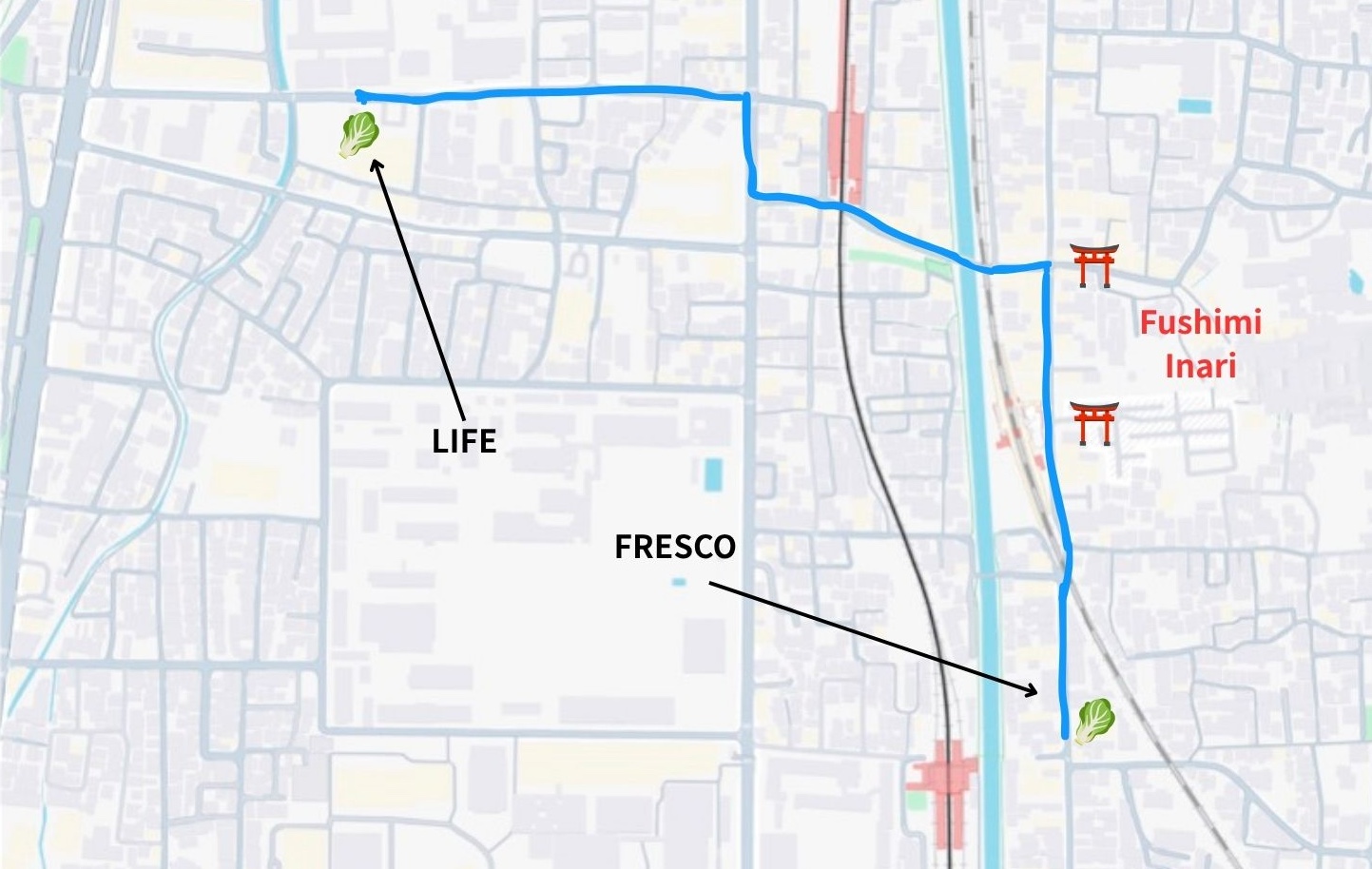
In the Fushimi Inari area, there are two supermarkets. 'FRESCO' is south of Fushimi Inari Shrine, and 'LIFE' is to the northwest. 'FRESCO' is closer from Fushimi Inari Shrine, but 'LIFE' is bigger.
LIFE
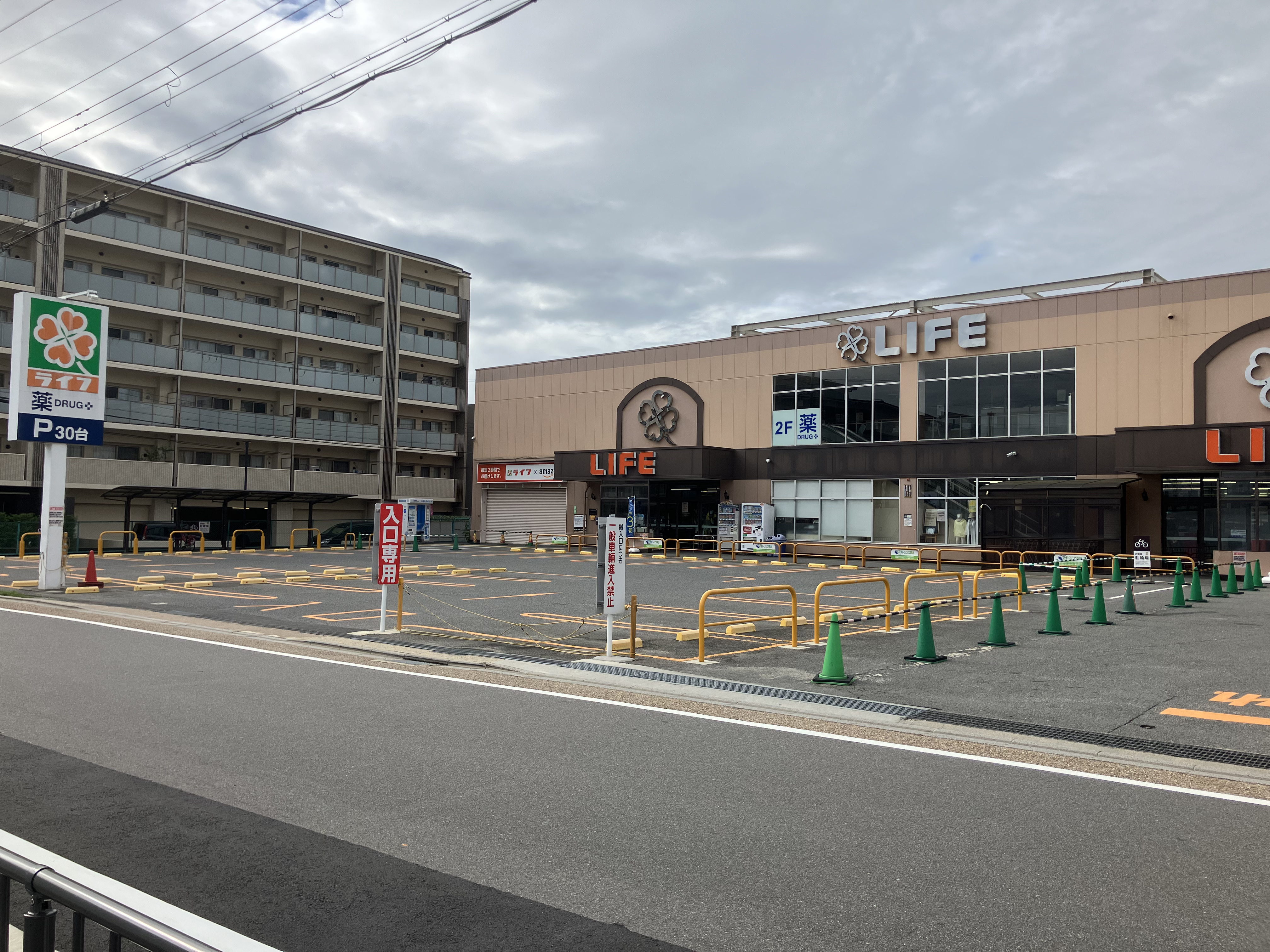
| Dist. from Fushimi Inari Shrine | 700m |
| Business hours | 9:30〜21:00 |
FRESCO
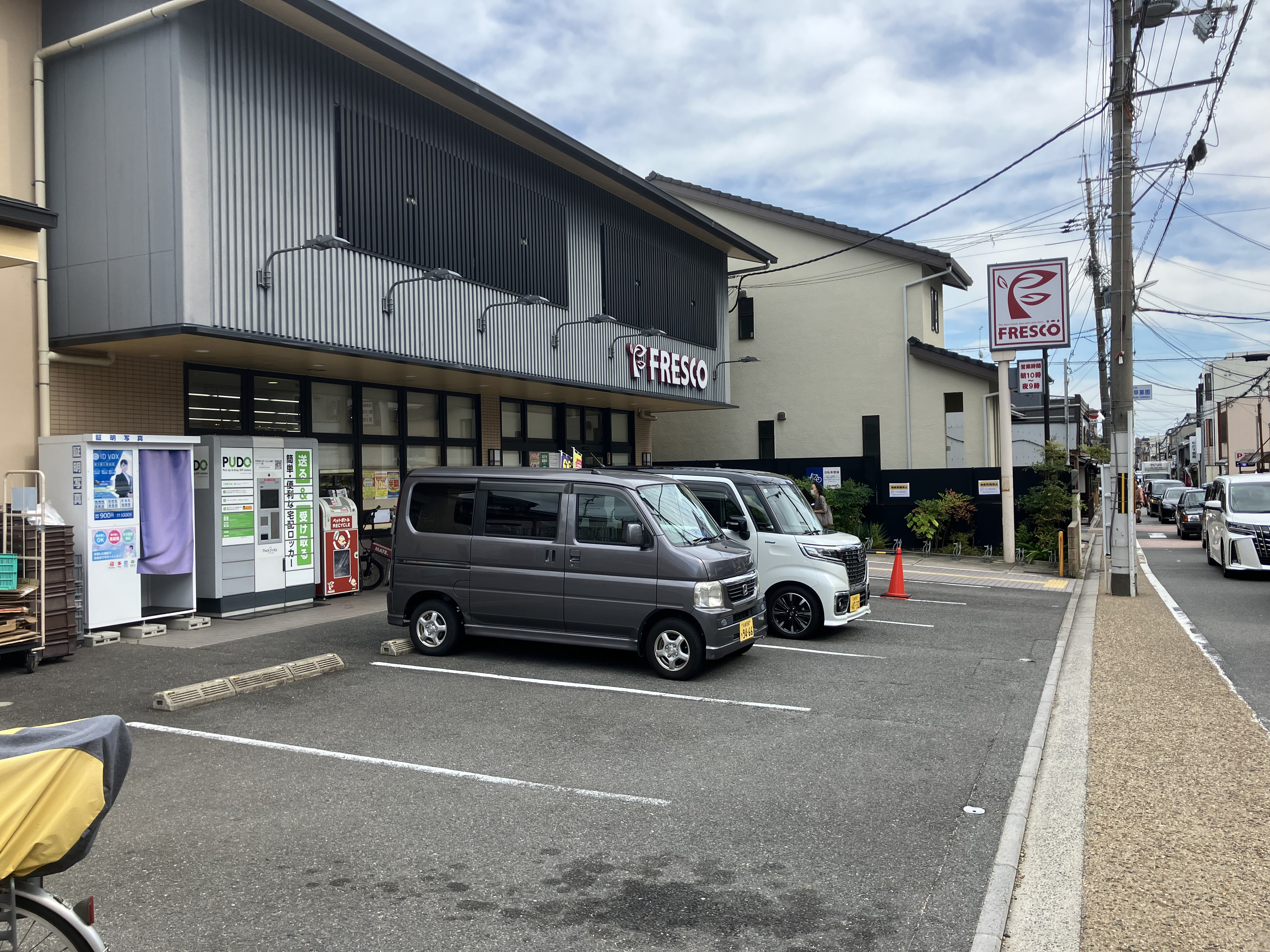
| Dist. from Fushimi Inari Shrine | 200m |
| Business hours | 10:00〜21:00 |
At the supermarket, I want you to try the deli items, fresh produce, refrigerated foods, and hot snacks. These cannot be preserved or taken home as souvenirs; in other words, you have to eat them right there in Japan.
Many of the things you’d want to eat in this country can probably be found in the deli section. Sushi, tempura, eel rice bowls, tonkatsu. Don’t underestimate the packaged food section either. There are instant noodles and ready-made curries that replicate the flavors of famous restaurants.
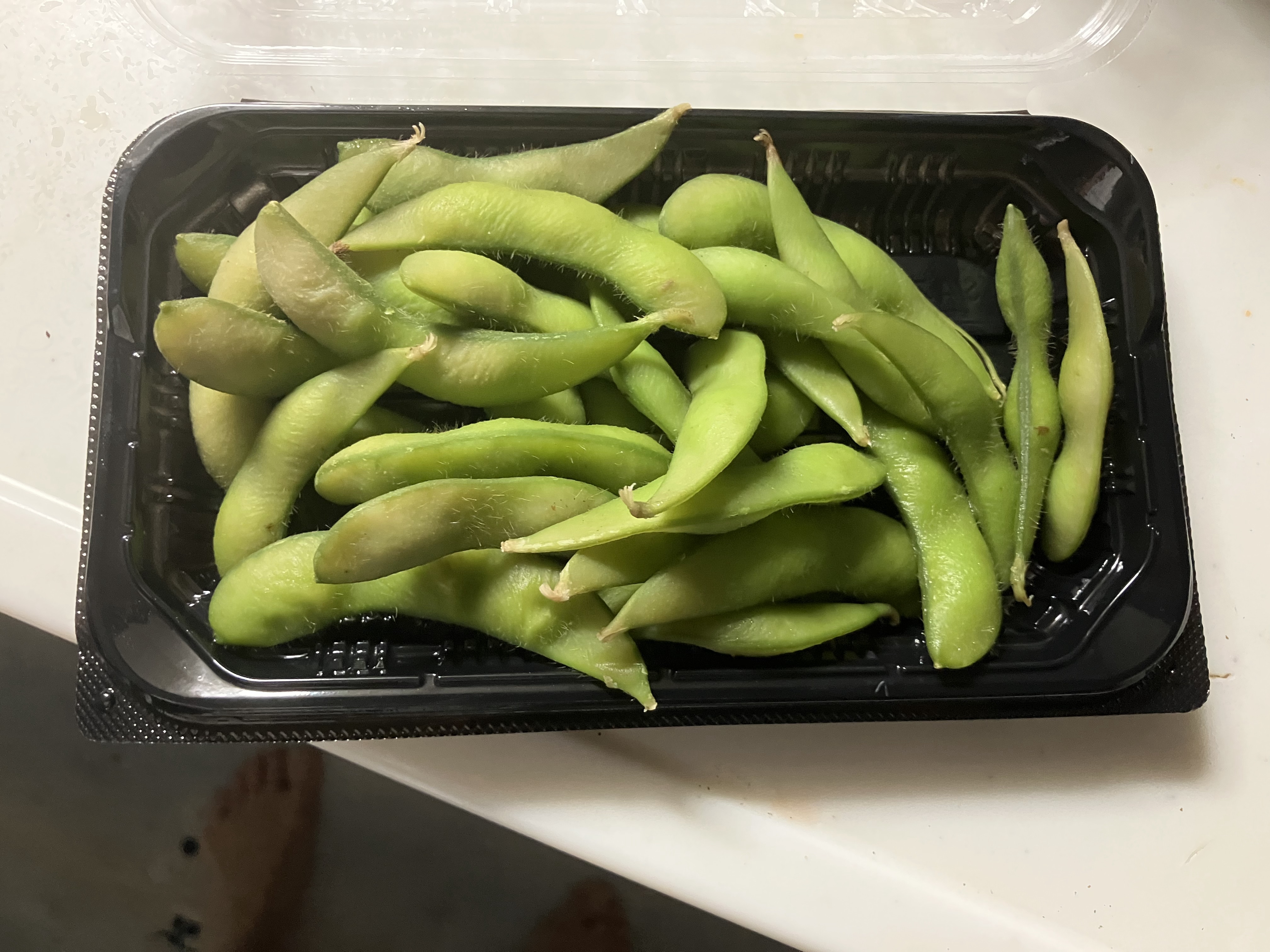
If it's summer, they should be selling boiled edamame(green soybeans). I want you to give it a try. For adults, it's a snack with sake, but kids like it too. It's best to eat right after the beans have been boiled fresh. The longer you wait, the worse the taste gets. That's why eating it at a izakaya is better than at a supermarket, and farm is better than at an izakaya.
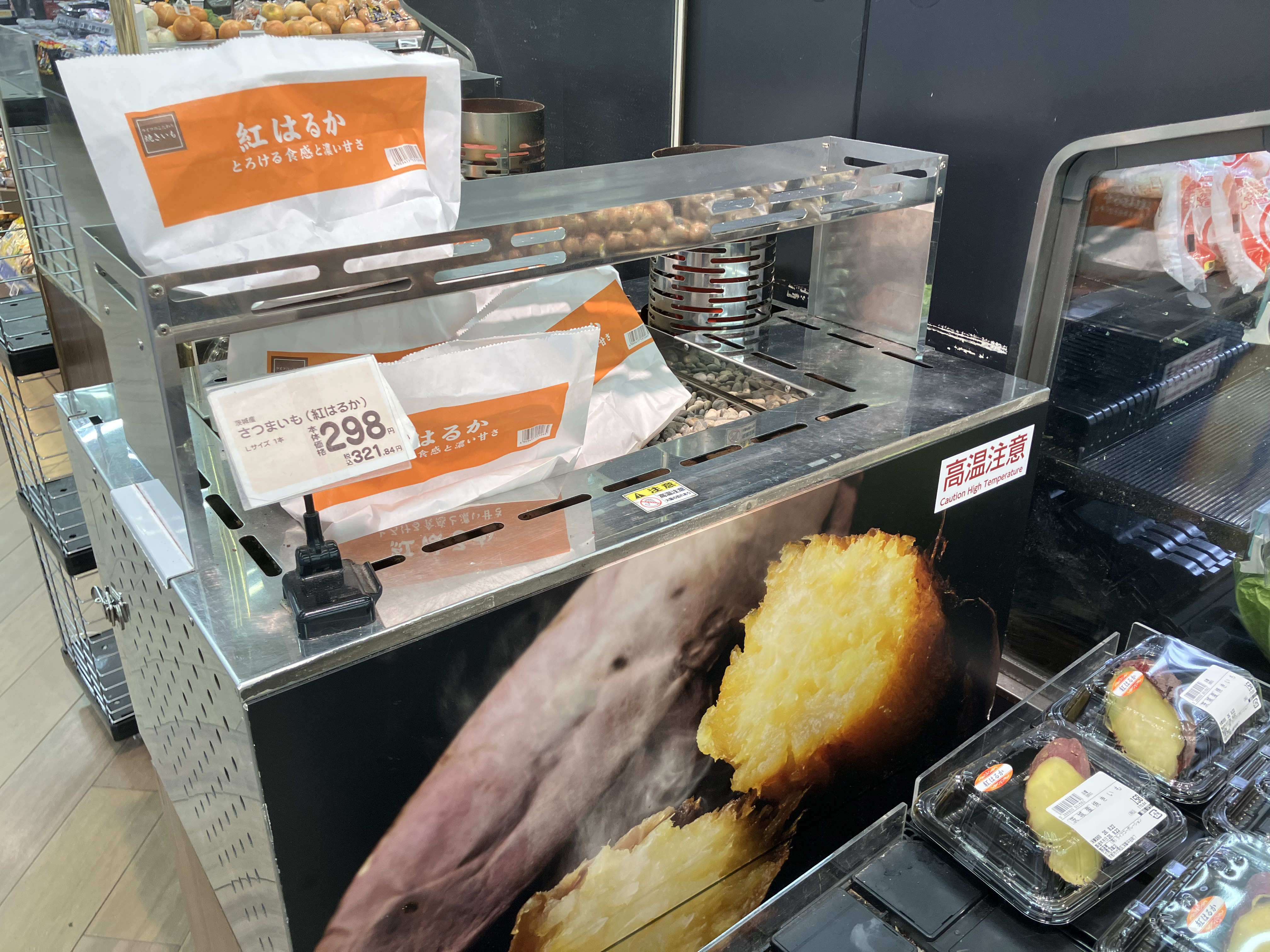
From autumn through winter, you will likely see roasted sweet potato machines appear in the stores. Japanese people love them. They are simply roasted sweet potatoes—no sugar added—yet they are incredibly sweet. That is because they are made using sweet potato varieties that are naturally sugary.
If you have a delicate palate and have tried surimi or tofu in your own country, why not give the Japanese versions a try? When buying, you should pick the most expensive option among similar products. By paying just about 200 yen more, you can get 'premium' goods. And the simpler the food, the more you can appreciate the quality of the ingredients. Also, buy a small bottle of soy sauce. If you don’t use it all, you can even take it home as a souvenir. Just be careful when handling it so you don’t stain your luggage black.
How about seasonal fruits for dessert? Japanese people are really into improving fruit, creating varieties that are sweeter and richer. In early spring, there are strawberries, in summer, watermelon, in autumn, grapes, and in winter, seedless mandarins. Watermelons and melons are sold pre-cut and packed, so you don’t have to peel them with a knife.Don't choose Zespri or Dole, because you can eat them in your country too.If the place of origin is written in kanji, it’s probably from Japan.